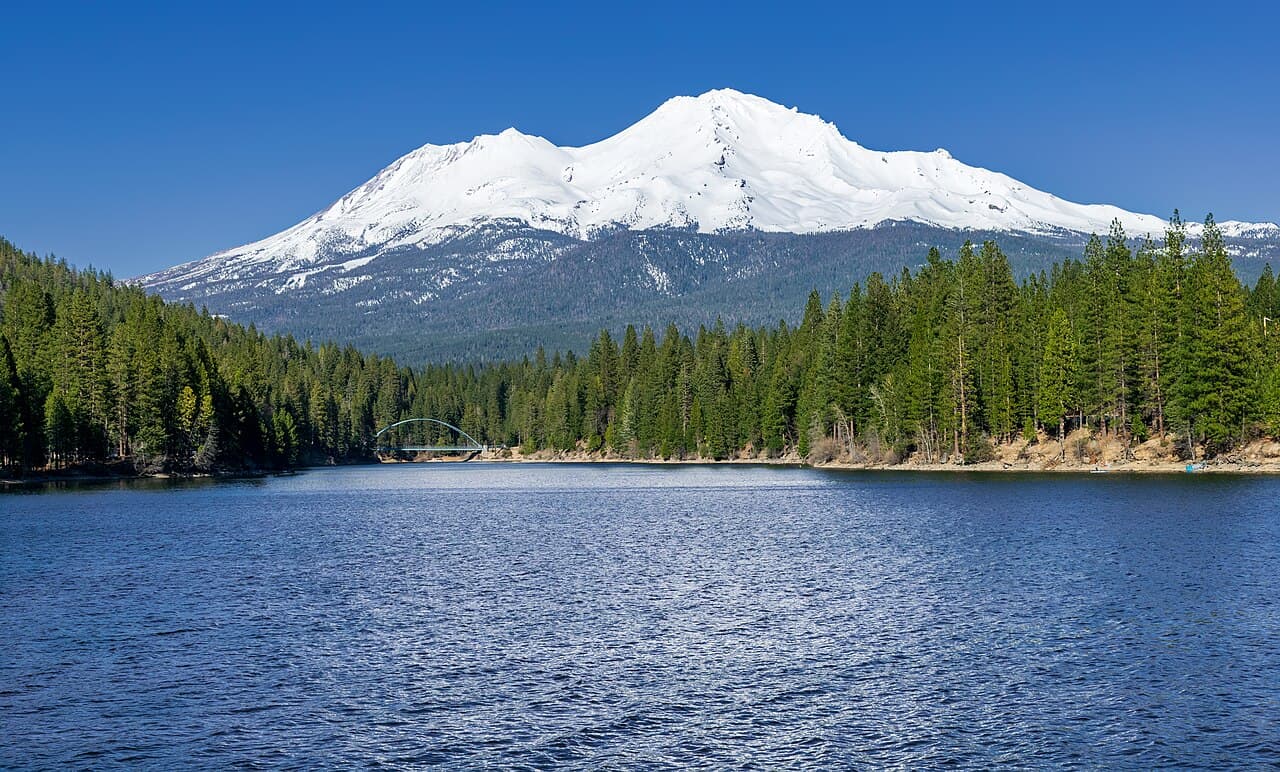
How to Get a Mount Shasta Climbing Permit
Planning ahead? See the 2026 Mount Shasta climbing season details →
No lottery, no reservation window - just a self-issue summit pass required above 10,000 feet. The real challenge on California's second-highest peak is the climb itself, not the paperwork.
Mount Shasta climbing permit alertsThis guide covers the Mount Shasta climbing permit.
$25-30
Summit Pass
14,179 ft
Summit Elevation
10
Max Group Size
May-Sep
Peak Season
2
Standard Routes
This Permit Isn't the Hard Part
Unlike Half Dome or Angels Landing, there's no lottery to win here - you self-issue your summit pass and go. The real gatekeeper is the mountain itself: glaciated terrain, altitude, and fast-changing weather above 10,000 feet. Budget your prep time for conditioning and skills, not permit strategy.
What You Actually Need
Summit Pass
Required above 10,000 ft
$25 for a 3-day pass
$30 for an annual pass
Self-issue at the trailhead or online
Wilderness Permit
Required for any overnight trip
Free, self-issue
Required regardless of elevation if camping
Available at trailhead kiosks or the Ranger Station
Get Mount Shasta Alerts
Be first to know when cancellations happen.
Choosing Your Route
Avalanche Gulch
The most popular and direct route up the south side. Steep, exposed, and requires solid ice axe and crampon skills. Best views, biggest crowds.
Clear Creek
A quieter, less technical option on the southeast side. Often recommended for a first Shasta attempt or when Avalanche Gulch conditions are unstable.
Planning Your Climb
Time Your Snow Conditions
Late May through June often has the firmest, most climbable snow on Avalanche Gulch. Later in summer, the route can turn to loose scree and rockfall risk increases.
Buy the Annual Pass If You'll Return
At $30 for unlimited climbs through the calendar year, the annual pass pays for itself on a second attempt if your first is weathered out.
Check Current Route Reports
Shasta's conditions shift fast. Check with the Mt. Shasta Ranger Station or recent trip reports before finalizing your route and gear list.
Build in a Weather Buffer
Afternoon thunderstorms and sudden whiteouts are common. Start pre-dawn and have a firm turnaround time no matter how close you are to the summit.
Pro Tips for Summit Day
Start well before dawn
Most parties start at 1-3 am to reach the summit before afternoon storms and to climb firm, refrozen snow.
Carry an ice axe and crampons
Both standard routes cross glaciated, exposed terrain - self-arrest skills aren't optional.
Prepare for altitude
At 14,179 feet, altitude sickness is a real risk. Acclimatize with a night at a lower camp before your summit push.
Know your turnaround time
Weather on Shasta can change in under an hour. Decide your turnaround time before you leave camp, and stick to it.
Frequently Asked Questions
Do you need a permit to climb Mount Shasta?
+
Yes, above 10,000 feet. Unlike most permits on this site, it's not a lottery - you self-issue a summit pass at the trailhead or buy one online, for $25 for 3 days or $30 for the calendar year. A free, self-issue wilderness permit is also required for any overnight trip, regardless of elevation.
How much does a Mount Shasta summit pass cost?
+
$25 for a 3-day pass, or $30 for an annual pass covering unlimited climbs above 10,000 feet through the calendar year. There's no lottery and no advance reservation - you buy it when you're ready to go.
Which route should I climb - Avalanche Gulch or Clear Creek?
+
Avalanche Gulch is the most popular route: a steep, direct line up the mountain's south side with classic views, best suited to climbers comfortable with an ice axe and crampons. Clear Creek, on the southeast side, is quieter and less technical - often recommended for a first Shasta attempt.
When is the best time to climb Mount Shasta?
+
Peak season runs May through September. Late May through June typically has the best combination of firm, stable snow on Avalanche Gulch and long daylight hours. Conditions shift year to year, so check current route reports before committing to dates.
Is Mount Shasta a technical climb?
+
The standard routes are non-technical (no roped climbing), but they demand real mountaineering skills: ice axe self-arrest, crampon technique, and route-finding on glaciated terrain above 10,000 feet. Prior experience on a similar peak is strongly recommended before attempting a summit route.
Track Conditions Before You Go
PermitSnag surfaces weather and route info alongside your Mount Shasta permit details so you can time your climb with confidence.
Get Permit Alerts
Other big-volcano permits
Shasta sells a pass. Its neighbours run their own systems.
- Mount St. Helens climbing permitThe other Cascade volcano you can climb on a day permit. Quota is 110 people a day and the month releases on the 1st.
- Mount Whitney permit lottery datesThe highest summit in the Lower 48. Cancellation alerts all season, plus its own February lottery.