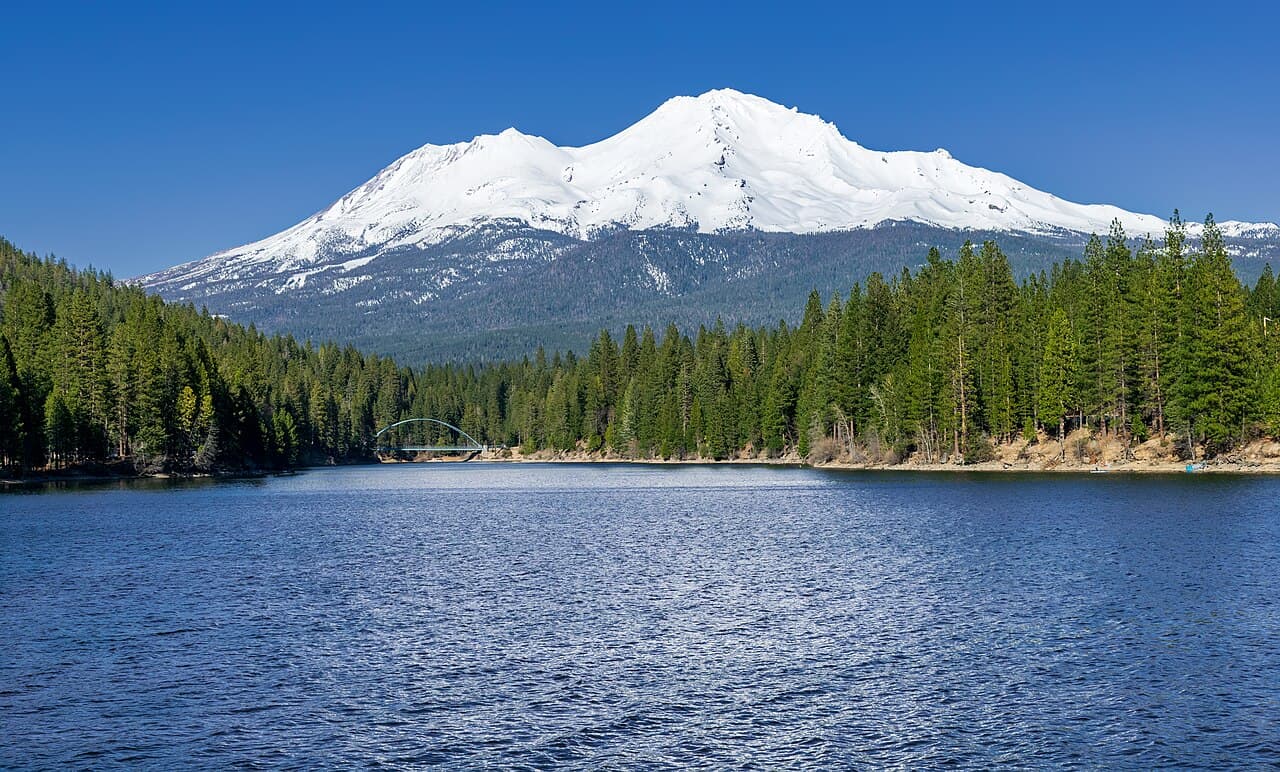
Required above 10,000 feet. California's most prominent volcano with challenging conditions despite non-technical terrain.
Plan your Shasta-Trinity National Forest trip here, then get your permit from the agency.
Walk-up permit
How to get Shasta
Shasta is issued by the agency rather than through a booking calendar. Their page has the current process and any dates.
Official permit pagePlanning another trip? See the permits we alert on.
Shasta permit season
- max group size
- 10people
Planning Shasta for 2027
Shasta runs no lottery and no application window. A 2027 climb needs two things, and one of them is priced by the calendar year.
- “A free Wilderness Permit is required and can be self-issued at the Bunny Flat trailhead self-issue permit station.”
- “Standard Mt. Shasta Summit Pass: $25 per person above 10,000 feet on Mt. Shasta.”
- “Mt. Shasta Annual Pass: $30 per year, is valid for the calendar year (to December 31).”So an annual pass bought for 2026 does not carry into a 2027 climb.
Source: USDA Forest Service, Shasta-Trinity National Forest. Read the official permit page.
“A free Wilderness Permit is required and can be self-issued at the Bunny Flat trailhead self-issue permit station.”
Checked against the agency page on August 20, 2026.
How to get a Shasta permit
- Type
- Mountaineering
- Location
- CA
How this permit is issued
Get this permit in person at the trailhead or ranger station, or by phone.
Official permit page →Step 1: Check the agency page for the process
This permit is not sold online. Confirm where and when it is issued (and any fee) at U.S. Forest Service before your trip.
Step 2: Arrive early
Walk-up permits are issued first-come, first-served. Where the agency sets a daily quota, popular trailheads can run out on weekends and holidays.
Step 3: Have backup plans
Popular trailheads fill fast. Know alternate routes or dates.
Shasta pro tips
- High camp at Helen Lake for acclimatization
- Start summit bid by 2-3am to avoid rockfall
- Bring a helmet for Avalanche Gulch
- Check avalanche conditions in spring
More on Shasta: Live availability activityDo I need a Mount Shasta Summit permit?
How much a Shasta permit costs
Shasta permit fee: $25 (3-day) or $30 (annual).
The Shasta climb
Shasta landmarks
- 1Trailhead
Starting point for Avalanche Gulch. Elevation: 7,179 ft.
- 2Helen Lake
Primary high camp with flat tent sites
- 3Summit
Summit of Shasta at 14,179 ft.
About this permit
Shasta is known for challenging conditions including altitude (nearly 14,200 ft), unpredictable weather, and objective hazards. Many climbers underestimate the mountain and suffer altitude sickness or get caught by afternoon storms.
Shasta climb highlights
- 7,000+ feet of elevation gain
- Steep snow climbing
- High altitude challenges
- Variable weather year-round
Summit information
Shasta
Climbing RoutesClick for details
Base Camp
Technical Gear Required
How hard the Shasta climb is
- Physical DemandFitness and endurance required5/5
- Technical SkillClimbing, scrambling, or specialized skills3/5
- NavigationRoute finding and trail clarity4/5
- CommitmentDifficulty of bailing out mid-route4/5
Best for: Experienced mountaineers comfortable with Class 3-4 terrain and altitude.
Recommended experience: Glacier travel training required. Must be competent with crampons, ice axe, and rope work.
Not recommended for: Those without high-altitude experience. Altitude sickness is a serious risk above 10,000 ft.
When to climb Shasta
Weather Forecast
Trailhead (5,000 ft)
Today
85°
48°
Wed
88°
58°
Thu
90°
65°
Fri
89°
62°
Sat
92°
62°
Sun
91°
64°
Mon
91°
63°
Shasta rules, gear and safety
Rules & regulations
- 01Free wilderness permit required (self-issue)
- 02Summit pass required above 10,000 feet
- 03Human waste pack-out required
- 04Campfire permit required for stoves
Hazards & considerations
- Rockfall (especially afternoon)
- Avalanche risk in spring
- Altitude sickness
- Severe weather
Mountaineering resources
Guide Services
Find authorized guide services and mountaineering schools for this peak.
Authorized guide services:
- The ranger station has the current list
- Verify NPS/USFS authorization
Gear Rentals
Find rental shops near the trailhead.
Required gear you can rent:
- Crampons
- Ice axe
- Helmet (recommended for Avalanche Gulch)
Route Conditions
Real-time route status, snow levels, and climbing conditions.
Current conditions include:
- Route status (open/closed/caution)
- Snow level elevation
- Crevasse and glacier conditions
- Recent trip reports
Avalanche Forecast
Check avalanche conditions before winter and spring climbs.
Avalanche info includes:
- Current danger level
- Avalanche problems (wind slab, persistent slab)
- Travel advice
- Links to regional avalanche centers
Summit Success
About half in 2025, when USFS climbing rangers counted 5,000-6,000 attempts that season
summit success rate
Safety & planning
Emergency Info
Emergency contacts, ranger station locations, and satellite communicator tips for Shasta.
Food Storage
Bear canister requirements, approved container lists, and rental locations for this permit.
Gear Checklist: Required and recommended gear for Shasta · Shuttle Services: Trailhead transportation options · Guide Services: Experienced wilderness guides
Some links may be affiliate links. Purchases support PermitSnag at no extra cost to you.
Shasta FAQ
How do I get a Mt. Shasta climbing permit?
Self-issue a free wilderness permit at any trailhead or ranger station, then purchase a Summit Pass online, at the ranger station, or trailhead kiosk. You need both permits.
When is the best time to climb Mt. Shasta?
April through June offers the best conditions with consolidated snow. Summer brings more rockfall hazard in Avalanche Gulch.
Shasta route conditions and trip reports
Trail Conditions
No active conditions reported
Sign in to report trail conditions.
Questions
No questions yet
Be the first to ask about Shasta.
Trip Reports
Write ReportAlternatives to a Shasta permit
Where to stay near Shasta
- Preacher Meadow (Ca) campgroundShasta-Trinity National Forest
- Alpine View CampgroundShasta-Trinity National Forest
- Hayward Flat campgroundShasta-Trinity National Forest
- All California campgrounds
Trip planning
Articles that plan a trip around this permit.
Plan the full trip, not just the permit
Build your full itinerary start to finish
Add your dates and get a day-by-day plan: what needs a permit, what gear to bring, and one link to share with your whole group to coordinate every step.
No permit needed to start
One tick helps us more than you’d think
Google lets you pick the sites it highlights for you. Add PermitSnag and our permit pages get marked as one of yours in AI Overviews and AI Mode.
Takes less than a minute.