Get alerted when this permit opens
PermitSnag checks Recreation.gov every 2-3 minutes. When a cancellation posts, we send an alert so you can book before the spot is gone.
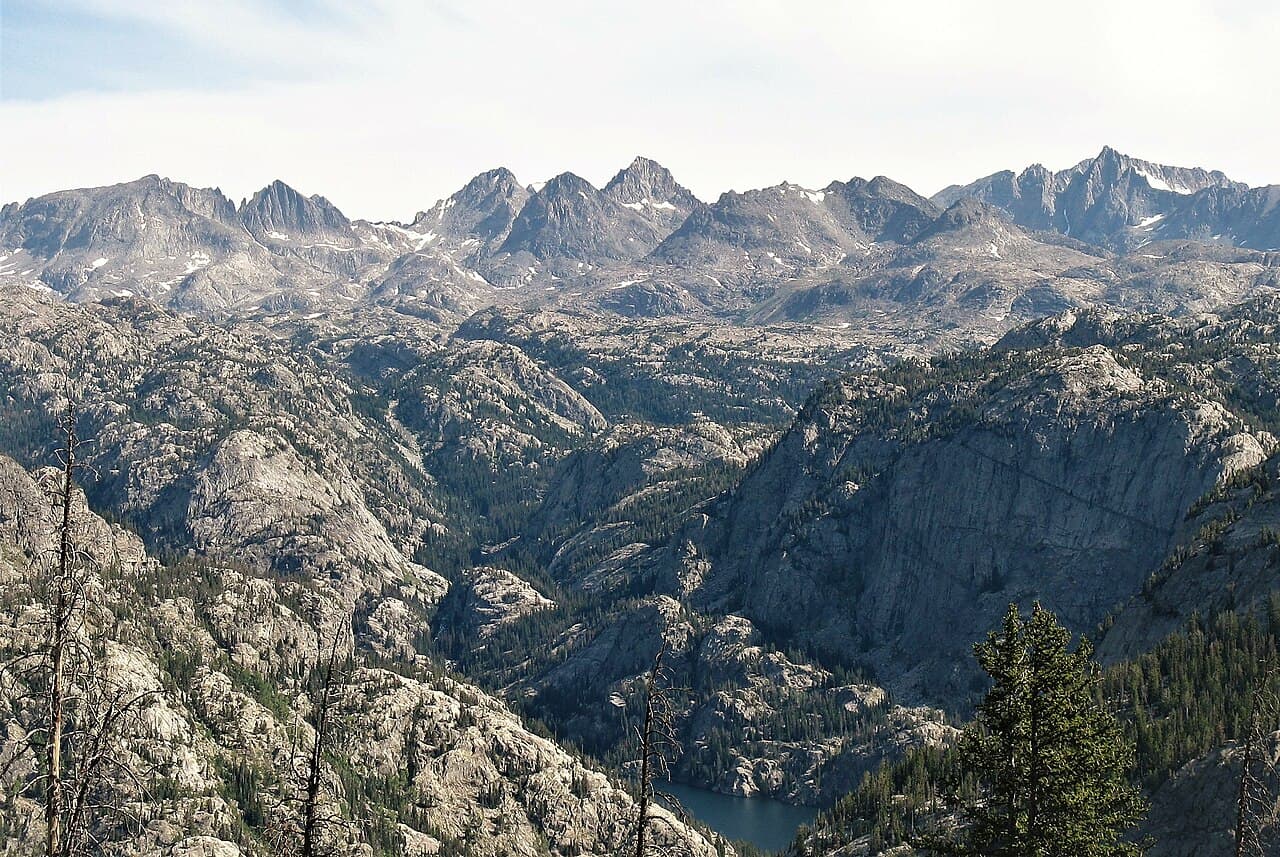
Wind River High Route Permit
Bridger-Teton National Forest / Wind River Range
America's premier off-trail alpine traverse—80 miles of glacier crossings, 12,000-foot passes, and route-finding through the largest wilderness in the Lower 48.
“Navigate by map and compass through 80 miles of Wyoming's most spectacular alpine terrain—where trails end and true mountain travel begins.”
Get availability alerts
Be notified instantly when Wind River High Route permits become available due to cancellations.
Get availability alerts
Be notified instantly when Wind River High Route permits become available due to cancellations.
Wind River High Route Quick Facts
Wind River High Route Permit Facts
- As of July 2026, Wind River High Route in Bridger-Teton National Forest / Wind River Range, Thru-Hikes & Long Trails requires a permit issued via walk-up.
- The Wind River High Route route covers 80 miles with 20,000 feet of elevation gain with rated expert.
- Cancelled Wind River High Route permits are re-released on the booking system; PermitSnag monitors availability and alerts watchers when dates open.
This permit is not bookable online
You get this permit in person at the trailhead or ranger station, or by phone. There is no online reservation to race for, so availability alerts do not apply. We still track key dates and season info for your trip.
Key Information
Permit Details
What to Expect
Route Details
Highlights
- •80 miles over 6-8 days with approximately 20,000 feet of elevation gain
- •65% off-trail travel requiring map and compass navigation
- •Class 2-3 scrambling throughout; some Class 4 moves possible on variations
- •Glacier crossings that may require crampons and ice axe
- •Nine major passes above 11,000 feet
- •The most spectacular alpine scenery in the Lower 48
Best Time to Visit
Late July through early September. Before mid-July, passes may be snow-choked requiring technical mountaineering. After mid-September, winter storms begin. August offers the best balance of conditions and reduced mosquitoes.
Hazards & Considerations
- !Route-finding—getting lost is easy; navigation skills essential
- !Rockfall—loose talus on many passes
- !Glacier travel—crevasses possible; crampons/ice axe may be needed
- !Altitude—most of route is above 10,000 ft; AMS risk is real
- !Weather—afternoon thunderstorms common; lightning exposure severe above treeline
- !Remoteness—evacuation could take days
How to Get This Permit
Check availability requirements
Walk-up permits are issued on a first-come, first-served basis. Arrive early, especially on weekends.
Visit the ranger station
Go to the designated permit office or ranger station. Bring ID and know your planned itinerary.
Have backup plans
Popular trailheads may be full. Know alternative routes or dates in case your first choice is unavailable.
When to Go
Conditions
Summer offers the most reliable conditions for most wilderness areas.
Crowd Level
ModerateAdvantages
- +Longest days
- +Warmest temperatures
- +Reliable trail conditions
Challenges
- !Peak demand for permits
- !Book accommodations early
- !Weather varies
Difficulty Assessment
Fitness and endurance required
Climbing, scrambling, or specialized skills
Steep dropoffs and fall potential
Route finding and trail clarity
Difficulty of bailing out mid-route
Best For
Expert mountaineers with extensive off-trail experience and strong navigation skills.
Recommended Experience
Should have completed multiple off-trail alpine routes and be proficient with map/compass navigation, glacier travel, and Class 3 scrambling.
Not Recommended For
Anyone without significant off-trail alpine experience or comfort with glacier travel.
About This Permit
The Wind River High Route is an approximately 80-mile off-trail traverse through Wyoming's Wind River Range, following the Continental Divide between Green River Lakes and Big Sandy. The route is approximately 65% off-trail, requiring advanced navigation and mountaineering skills.
Most hikers complete the route in 6-8 days. The route was first documented by Alan Dixon ('Adventure Alan') and later expanded by Andrew Skurka. Multiple variations exist with distances ranging from 80-97 miles.
The Experience
Why It Matters
The Wind River High Route is America's answer to the Haute Route—an off-trail traverse through the largest wilderness in the contiguous United States. Unlike the CDT which passes through the range on maintained trails, the WRHR links alpine passes and glacial basins via a route that exists only on maps and in the minds of experienced mountaineers. It's perhaps the finest alpine traverse in the Lower 48.
The Route
From Green River Lakes, the route heads south along the Continental Divide, immediately leaving maintained trails. The first major challenge is Knapsack Col—a 12,200-foot pass that deposits you into the legendary Titcomb Basin, surrounded by Wyoming's highest peaks.
The middle section traverses the heart of the range: Indian Basin, the Bonneville Lakes, and the approach to the Cirque of the Towers via Texas Pass. Each day involves 3,000+ feet of off-trail elevation change, boulder-hopping across vast talus fields, and careful navigation with map and compass.
The Cirque of the Towers is the route's climax—a granite amphitheater that draws rock climbers from around the world. The final miles descend past Lonesome Lake (where camping is prohibited) and over Jackass Pass before the long exit to Big Sandy Trailhead.
The Feeling
There is no trail. You stand at the base of Knapsack Col, studying the talus field and the glacier beyond, choosing your line up 1,500 feet of boulder-strewn slope. Above, Titcomb Basin waits—a vast granite amphitheater where turquoise lakes reflect spires that rival the Tetons. For seven days, you navigate by pass and peak, by drainage and divide, linking basins that most hikers never see. By the time you descend to Big Sandy, you've completed something that feels less like hiking and more like mountaineering without ropes.
Trailhead Information
Green River Lakes Trailhead
8,000 ft elevationNorthern terminus. Long dirt road access from Pinedale.
Parking
Primitive camping available. Fee required for some areas.
Getting There
From Pinedale, take FR 111 approximately 55 miles. Gravel road, passable by most vehicles.
Nearest Services
Pinedale (55 miles) has full services including gear shops.
Big Sandy Trailhead
9,100 ft elevationSouthern terminus. Most common exit point.
Parking
Popular trailhead for Cirque of the Towers. Can be crowded.
Getting There
From Pinedale, approximately 45 miles on dirt roads. High clearance recommended for final miles.
Nearest Services
Pinedale (45 miles) has full services. Shuttle services available.
Rules & Regulations
- •Free self-issue wilderness permit required at trailhead
- •Maximum group size of 15 people
- •No campfires above treeline (most of route)
- •Camp 200 feet from water and trails
- •Camping prohibited within 1/4 mile of Lonesome Lake
- •Bear canisters highly recommended (no requirement but bears present)
Gear Checklist
Required
- Detailed topographic maps (7.5-minute USGS)
- Compass and GPS with pre-loaded waypoints
- Crampons and ice axe (for glacier crossings, even in late season)
- Sturdy mountaineering boots (talus travel demands ankle support)
- Bear canister (highly recommended)
Recommended
- Trekking poles (essential for talus fields and river crossings)
- Helmet (for rockfall protection on passes)
- Gaiters (for scree and snow)
- Satellite communicator (no cell service anywhere on route)
- Written route description and waypoint list
Plan Your Trip
Gear Checklist
Required and recommended gear for Wind River High Route
Shuttle Services
Trailhead transportation options
Browse all shuttlesGuide Services
Experienced wilderness guides
Browse all guidesSome links may be affiliate links. Purchases support PermitSnag at no extra cost to you.
Key Landmarks
Landmarks (10)
Safety & Planning
12,453 permits and 8,294 campsites secured by PermitSnag users
Wind River High Route FAQ
How do I get a Wind River High Route permit?
Wind River High Route permits use a walk-up system. PermitSnag sends lottery open, deadline, and results reminders; you can also enable cancellation alerts if spots open later.
When is the best time to visit Wind River High Route?
Check with the managing agency for current season dates. Weekdays generally have better availability than weekends.
How competitive is the Wind River High Route permit?
This permit has a demand score of 6/10, making it moderately competitive.
What if I can't get a Wind River High Route permit?
Cancellations happen daily. Set up alerts with PermitSnag to get notified the moment a spot opens up. We check availability every 2-3 minutes, 24/7.
👥Community
Trail Conditions
Questions
Trip Reports
Write ReportPhotography Guide
Golden Hour
Sunrise in Titcomb Basin with alpenglow on the surrounding spires is the route's signature shot. The Cirque of the Towers at golden hour is equally spectacular.
Best Light
Early morning light illuminates the granite walls. Late afternoon storms create dramatic cloud compositions.
Beat the Crowds
The WRHR itself sees few hikers due to difficulty. Titcomb Basin and the Cirque can be busy; weekdays and shoulder season offer more solitude.
Classic Shots
- 📍Titcomb Basin with surrounding peaks reflected in still water
- 📍The Cirque of the Towers from Texas Pass
- 📍Knapsack Col from below, showing the route up
- 📍Gannett Peak (Wyoming's highest) from Titcomb Basin
- 📍Lonesome Lake with the Cirque's spires rising above
Can't Get a Wind River High Route Permit?
Consider these alternatives if your preferred dates aren't available.
Cirque of the Towers (Big Sandy)
Easier AlternativeOn-trail access to the route's most famous destination via Big Sandy Trailhead.
Tradeoffs
See the Cirque without the full off-trail commitment. Trail is established and navigation straightforward.
Titcomb Basin
Easier AlternativeOn-trail access to Titcomb Basin from Elkhart Park Trailhead.
Tradeoffs
Established trail to one of the route's highlights. No technical navigation required.
Continental Divide Trail (Wind Rivers section)
Similar ExperienceFollow the CDT through the Wind Rivers on maintained trails.
Tradeoffs
Trail-based but still spectacular scenery. Misses the truly remote basins.
Permit Directory
Browse Backcountry Permits
Find permits for day hikes, overnight backpacking, thru-hikes, canyoneering, and river trips across federal and state lands.
National Park Permits
Day-use, overnight, and wilderness permits at America's crown jewels
California Wilderness Permits
Sierra Nevada, Lost Coast, and backcountry access
Utah & BLM Permits
Red rock canyons, slot canyon permits, and desert wilderness
National Forest & Wilderness Permits
USFS wilderness areas with quota systems
Thru-Hikes & Long Trails
Multi-day point-to-point traverses and epic long-distance trails
River Permits
Multi-day rafting and river access permits
California State Park Permits
Backcountry camping and trail permits
Mountaineering & Summit Permits
High-altitude summit permits and technical climbing routes