Get alerted when this permit opens
PermitSnag checks Recreation.gov every 2-3 minutes. When a cancellation posts, we send an alert so you can book before the spot is gone.
Trans-Catalina Trail Permit
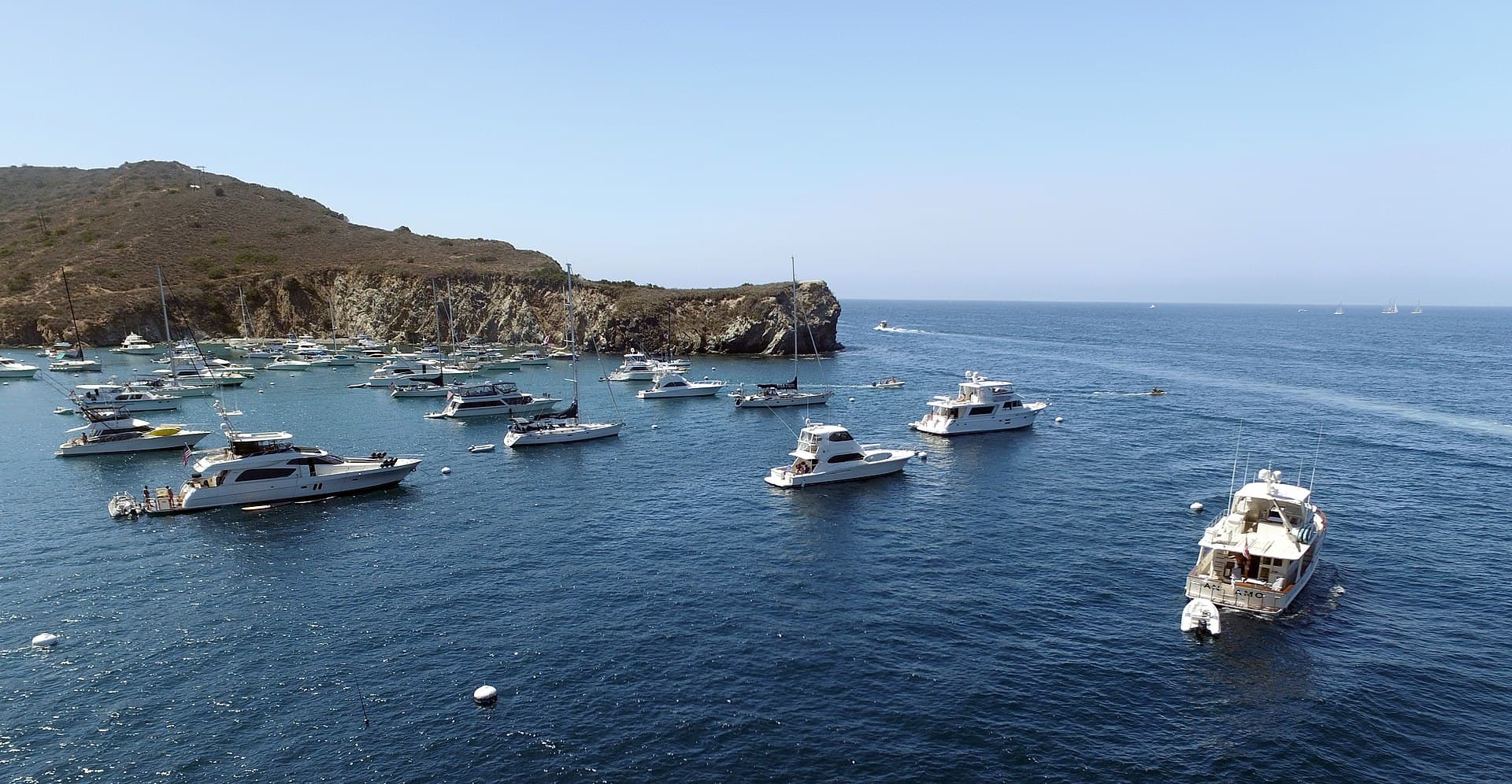
A rugged 38.5-mile traverse across Santa Catalina Island—from the harbor town of Avalon to the remote western beaches, with wild bison, endemic foxes, and stunning Pacific views.
“Traverse an island wilderness 22 miles off the California coast, where American bison roam the hills and the Pacific stretches to the horizon in every direction.”
Get availability alerts
Be notified instantly when Trans-Catalina permits become available due to cancellations.
Get availability alerts
Be notified instantly when Trans-Catalina permits become available due to cancellations.
Trans-Catalina Quick Facts
Trans-Catalina Permit Facts
- As of July 2026, Trans-Catalina in Catalina Island Conservancy, Thru-Hikes & Long Trails requires a permit issued via reservation.
- Trans-Catalina is a high-demand permit, rating 8/10 on PermitSnag's demand index.
- The Trans-Catalina route covers 38.5 miles with 8,500 feet of elevation gain with rated strenuous.
- Cancelled Trans-Catalina permits are re-released on the booking system; PermitSnag monitors availability and alerts watchers when dates open.
Key Information
Permit Details
What to Expect
Route Details
Highlights
- •38.5 miles over 3-5 days with approximately 8,500 feet of elevation gain
- •Five designated campgrounds (reservation required—serves as permit)
- •Wildlife encounters: American bison, endemic Catalina Island foxes, and rattlesnakes
- •Exposed terrain with minimal shade—carry ample water
- •No running water at Parsons Landing—must reserve locker with water
- •Ferry logistics to reach and exit the island
Best Time to Visit
Spring (March-May) and fall (September-November) offer the best conditions. Summer can be extremely hot and dry. Winter is possible but may have rain and rough ferry crossings.
Hazards & Considerations
- !Heat and sun exposure—trail is mostly shadeless
- !Rattlesnakes—common throughout the island
- !Bison—keep 25+ foot distance; they can be aggressive
- !Steep terrain with loose footing on descents
- !Limited escape routes—injury evacuation can be challenging
How to Get This Permit
Create a Recreation.gov account
Sign up at Recreation.gov if you don't have an account. Have your payment info ready.
Know the release schedule
Permits typically release on a rolling basis. Check the specific release time for your desired dates.
Be ready when permits drop
Log in a few minutes early. Have your dates, group size, and payment ready to go.
Monitor for cancellations
If your dates are sold out, people cancel all the time. Set up PermitSnag alerts to catch openings instantly.
When to Go
Conditions
Summer offers the most reliable conditions for most wilderness areas.
Crowd Level
ModerateAdvantages
- +Longest days
- +Warmest temperatures
- +Reliable trail conditions
Challenges
- !Peak demand for permits
- !Book accommodations early
- !Weather varies
Difficulty Assessment
Fitness and endurance required
Climbing, scrambling, or specialized skills
Steep dropoffs and fall potential
Route finding and trail clarity
Difficulty of bailing out mid-route
Best For
Fit hikers comfortable with significant daily elevation change and exposed conditions. Good for those seeking a multi-day adventure accessible from Los Angeles.
Recommended Experience
Prior backpacking experience recommended. Should be comfortable hiking 10+ miles per day with a full pack.
Not Recommended For
Those uncomfortable with heat/sun exposure or who require reliable water sources.
About This Permit
The Trans-Catalina Trail (TCT) is a 38.5-mile thru-hike across Santa Catalina Island, approximately 22 miles off the coast of Southern California. Despite the island being only 22 miles long, the trail's winding path and significant elevation changes accumulate nearly 8,500 feet of climbing.
The trail passes through five designated campgrounds and is typically completed in 3-5 days. Dispersed camping is prohibited—you must stay in campgrounds, and reservations serve as your hiking permit.
The Experience
Why It Matters
Catalina Island has a fascinating history—used as a movie set, a military base, and a ranching operation where bison were introduced in the 1920s for a film shoot and never left. Today, the Catalina Island Conservancy protects 88% of the island as wilderness. The Trans-Catalina Trail offers a unique coastal backpacking experience just an hour's ferry ride from Los Angeles, combining dramatic ocean scenery with surprising wildlife encounters.
The Route
From Avalon, the trail climbs steeply out of town—1,500 feet of gain in the first few miles. The initial stretch to Black Jack campground follows ridgelines with panoramic Pacific views, passing through eucalyptus groves and chaparral.
Day two brings you to the 'Airport in the Sky'—an actual airport perched on a mesa at 1,602 feet, famous for its DC-3 Grill and legendary bison burgers. From here, the trail descends sharply to Little Harbor, a crescent beach on the island's wild backside.
The ridge traverse from Little Harbor to Two Harbors offers some of the trail's most dramatic scenery, with the narrow isthmus visible ahead. Two Harbors provides the last resupply before the final push.
The stretch to Parsons Landing is the trail's most challenging—a steep climb over 'Fenceline Road' followed by the descent to a primitive beach camp with no running water. Most hikers then follow the relatively flat West End Road back to Two Harbors to catch the ferry home.
The Feeling
The ferry drops you in Avalon, a charming harbor town with golf carts and ice cream shops. Within hours, you've climbed into an entirely different world—arid hillsides dotted with grazing bison, endemic Catalina foxes trotting along the trail, and views that stretch across the Pacific to the mainland's hazy skyline. At night, you camp on beaches lit only by stars and bioluminescent waves. By the time you reach Parsons Landing, you've crossed an island that feels far more remote than its proximity to Los Angeles would suggest.
Trailhead Information
Avalon Harbor
0Starting point for most TCT hikers. Accessible via Catalina Express or Catalina Flyer ferries.
Parking
Leave your car on the mainland. Ferry terminals in San Pedro, Long Beach, and Dana Point have parking.
Getting There
Take Catalina Express from San Pedro (1 hour) or Long Beach (1 hour), or Catalina Flyer from Dana Point (1.25 hours).
Nearest Services
Avalon has restaurants, gear shops, groceries, and camping supplies.
Two Harbors
0Western village with ferry service. Common exit point or resupply stop.
Parking
N/A—accessible by ferry from San Pedro only.
Getting There
Take Catalina Express from San Pedro to Two Harbors directly, or take shore boat from Avalon.
Nearest Services
Small general store, restaurant, and camping supplies.
Rules & Regulations
- •Campground reservations required (serve as hiking permit)
- •Dispersed camping prohibited—must stay in designated campgrounds
- •Dogs allowed on trail but prohibited at Hermit Gulch and Two Harbors campgrounds
- •Campfires only allowed in provided fire pits
- •Stay on designated trails—much of the island is private conservancy land
- •Pack out all trash
Gear Checklist
Required
- Minimum 3 liters water capacity (limited refill points)
- Sun protection (exposed terrain with little shade)
- Sturdy footwear for rocky, steep trail sections
- Ferry ticket reservations (book well in advance for peak times)
- Campground reservations (book January 1 for entire year)
Recommended
- Trekking poles for steep descents
- Wide-brimmed hat and lightweight long sleeves
- Cash for Airport in the Sky food and Two Harbors store
- Binoculars for wildlife viewing
- Swimsuit for beach campgrounds
Plan Your Trip
Gear Checklist
Required and recommended gear for Trans-Catalina
Shuttle Services
Trailhead transportation options
Browse all shuttlesGuide Services
Experienced wilderness guides
Browse all guidesSome links may be affiliate links. Purchases support PermitSnag at no extra cost to you.
Key Landmarks
Landmarks (9)
12,453 permits and 8,294 campsites secured by PermitSnag users
Trans-Catalina FAQ
How do I get a Trans-Catalina permit?
Trans-Catalina permits use a reservation system. PermitSnag sends lottery open, deadline, and results reminders; you can also enable cancellation alerts if spots open later.
When is the best time to visit Trans-Catalina?
Check with the managing agency for current season dates. Weekdays generally have better availability than weekends.
How competitive is the Trans-Catalina permit?
This permit has a demand score of 8/10, making it highly competitive. We recommend having backup dates and using PermitSnag's cancellation alerts.
What if I can't get a Trans-Catalina permit?
Cancellations happen daily. Set up alerts with PermitSnag to get notified the moment a spot opens up. We check availability every 2-3 minutes, 24/7.
👥Community
Trail Conditions
Questions
Trip Reports
Write ReportPhotography Guide
Golden Hour
Sunset from Little Harbor Beach is spectacular—the sun drops into the Pacific directly west. Two Harbors isthmus at sunrise shows both harbors simultaneously.
Best Light
Late afternoon light illuminates the mainland skyline from the ridgeline sections. Bison are most active in early morning and late afternoon.
Beat the Crowds
Weekdays in spring and fall are quietest. Little Harbor fills quickly on weekends—arrive early to claim a good spot.
Classic Shots
- 📍Bison herd with Pacific Ocean backdrop
- 📍Little Harbor crescent beach from the trail above
- 📍Two Harbors isthmus showing both harbors
- 📍Sunset at Parsons Landing
- 📍Catalina foxes along the trail
- 📍View of the mainland from Airport in the Sky
Can't Get a Trans-Catalina Permit?
Consider these alternatives if your preferred dates aren't available.
Avalon to Two Harbors via Trans-Catalina
Easier AlternativeHike from Avalon to Two Harbors (26 miles) and take the ferry back, skipping the remote Parsons Landing section.
Tradeoffs
Shorter commitment, easier logistics, but misses the most primitive camping experience.
Little Harbor Out-and-Back
Easier AlternativeDay hike or overnight to Little Harbor from either Avalon or Two Harbors.
Tradeoffs
Access to the trail's most scenic beach camp without the full traverse commitment.
Channel Islands National Park
Same AreaBackpacking on Santa Cruz, Santa Rosa, or San Miguel Islands in the national park.
Tradeoffs
More remote and wild, but requires boat reservations through Island Packers and is less accessible.
Permit Directory
Browse Backcountry Permits
Find permits for day hikes, overnight backpacking, thru-hikes, canyoneering, and river trips across federal and state lands.
National Park Permits
Day-use, overnight, and wilderness permits at America's crown jewels
California Wilderness Permits
Sierra Nevada, Lost Coast, and backcountry access
Utah & BLM Permits
Red rock canyons, slot canyon permits, and desert wilderness
National Forest & Wilderness Permits
USFS wilderness areas with quota systems
Thru-Hikes & Long Trails
Multi-day point-to-point traverses and epic long-distance trails
River Permits
Multi-day rafting and river access permits
California State Park Permits
Backcountry camping and trail permits
Mountaineering & Summit Permits
High-altitude summit permits and technical climbing routes